Crimson Vinyl · German Powerhouses

Helloween: The Architects of Power Metal’s Golden Dawn

Some bands influence metal. Others help rewrite its DNA. Helloween did both. From the legendary Keeper of the Seven Keys albums to decades of reinvention and the Pumpkins United reunion, these German pioneers helped turn speed, melody and imagination into a movement of their own.

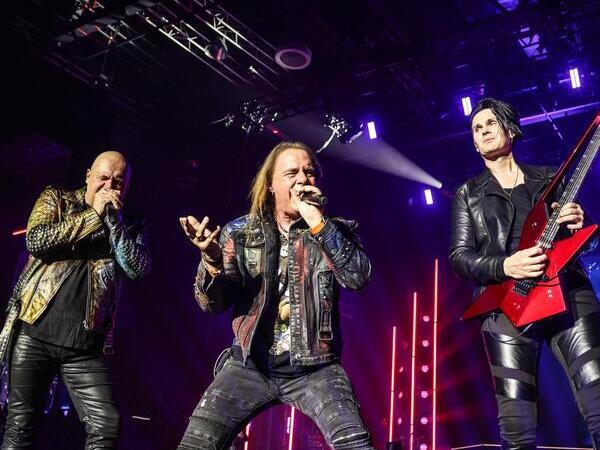
Helloween performing live under dramatic purple stage lighting
Helloween live: decades on, the energy behind the music is still there.
A collector’s story

The Moment It Hit Me: Keeper I in Launceston

My Helloween story began in a tiny record store in Launceston, Tasmania.

I bought Keeper of the Seven Keys Part I on its release at Wills Record Store. One spin was all it took. The soaring vocals, triumphant melodies and sense of adventure felt different from anything else I was listening to. This wasn't simply fast metal; it was music with scale, drama and a huge, unmistakable personality.

Then came Keeper of the Seven Keys Part II, and that sealed it. Helloween had found a way to make heavy music feel epic without losing its bite. Those records became landmarks in my own musical journey.

The records that stayed with me

Years later, I rediscovered Helloween through Better Than Raw, picked up from Utopia Records. It reminded me that this was a band capable of moving forward without abandoning what made it special.

That album has remained in heavy rotation on my CD player.

In 2015, seeing Helloween in Perth during the My God-Given Right tour, with Andi Deris at the helm, brought the whole journey into focus. The band that had first grabbed my attention years earlier was still out there, still playing with conviction, and still making its own kind of metal magic.

That's part of the joy of collecting records: albums don't just mark eras in music history. They mark eras in our lives, too.

The bigger picture

Why Helloween Matters

Helloween didn't simply play fast metal with a few memorable choruses. They helped establish a musical language in which speed, technical precision, melody and imagination could all occupy the same space. Their story is also one of survival: a band that became influential early, faced major changes, and continued to build a catalogue worth exploring long after its most celebrated records were released.

01

They Made Speed Feel Epic

Before the European power metal sound became familiar, Helloween were helping demonstrate just how much could be done with speed and melody together. The twin-guitar harmonies, driving rhythms, soaring vocal lines and extended song structures gave their music a sense of scale without sacrificing the energy of heavy metal. The songs could be technically demanding yet immediately memorable.

The two Keeper of the Seven Keys albums became central to that identity. Rather than relying on aggression alone, Helloween built songs around musical journeys, dramatic contrasts and choruses that practically demanded to be sung along with. That combination helped shape the European power metal tradition and gave later musicians a rich vocabulary to explore in their own ways.

02

They Proved a Band Could Reinvent Itself

The departure of Michael Kiske and the arrival of Andi Deris marked a major change. Kiske's clear, soaring delivery had become closely associated with the classic era, so a new singer inevitably brought different expectations. Helloween could have spent years trying to recreate the past. Instead, they developed a different identity while keeping the melodic instincts that made the band distinctive.

Master of the Rings, The Time of the Oath and Better Than Raw show why that period deserves to be heard on its own terms. The writing could be heavier, moodier or more direct, and Deris brought his own character to the songs. Rediscovering Better Than Raw years after those early records was a reminder that Helloween's story didn't stop with the Keeper albums. It kept giving me reasons to listen.

03

Pumpkins United Connected Different Generations

The Pumpkins United reunion was special because Helloween's history had never been confined to one lineup. Michael Kiske represented a defining part of the classic era, Kai Hansen carried the story back to the band's early roots, and Andi Deris had fronted the band through decades of its continuing evolution. Bringing these musical chapters together gave fans a rare chance to experience that history as one connected story.

It was about more than hearing old favourites again. The reunion recognised the contribution of different eras and the listeners who had followed them. Long-time fans could revisit the music that first hooked them, while newer listeners could discover how those songs related to the band's later work. For a group with such a long and changing history, that was a meaningful achievement.

04

Their Influence Reaches Beyond Their Own Records

Helloween helped establish a sound that became an important part of European melodic metal: harmonised guitar lines, fast but purposeful drumming, expansive vocals and choruses built to stay with you. That musical language became part of a wider scene, alongside bands developing their own approaches to power metal and melodic heavy music.

The broader family tree includes groups such as Blind Guardian, Gamma Ray, Stratovarius, HammerFall, Edguy and Sabaton, although each has its own influences, history and identity. Helloween's importance isn't that every one of these bands sounds the same. It's that they helped make melodic, ambitious and uplifting heavy metal a powerful tradition in its own right.

Another chapter, not an ending

The Andi Deris Era: A Different Voice, a Continuing Story

Andi Deris's arrival brought a different vocal character and opened a new chapter after a turbulent period for the band. Master of the Rings established the new lineup, while The Time of the Oath showed Helloween continuing to write melodic, ambitious heavy metal with a renewed sense of purpose. The change was significant, but the band's love of strong hooks, intricate guitar work and dramatic arrangements remained recognisable.

By the time of Better Than Raw, released in 1998, Helloween were exploring a heavier and at times darker sound without abandoning their melodic core. This is an era worth exploring as more than a bridge between the classic albums and the later reunion. Deris became a defining part of the band's identity, and the catalogue from this period rewards listeners who want to hear how Helloween adapted rather than stood still.

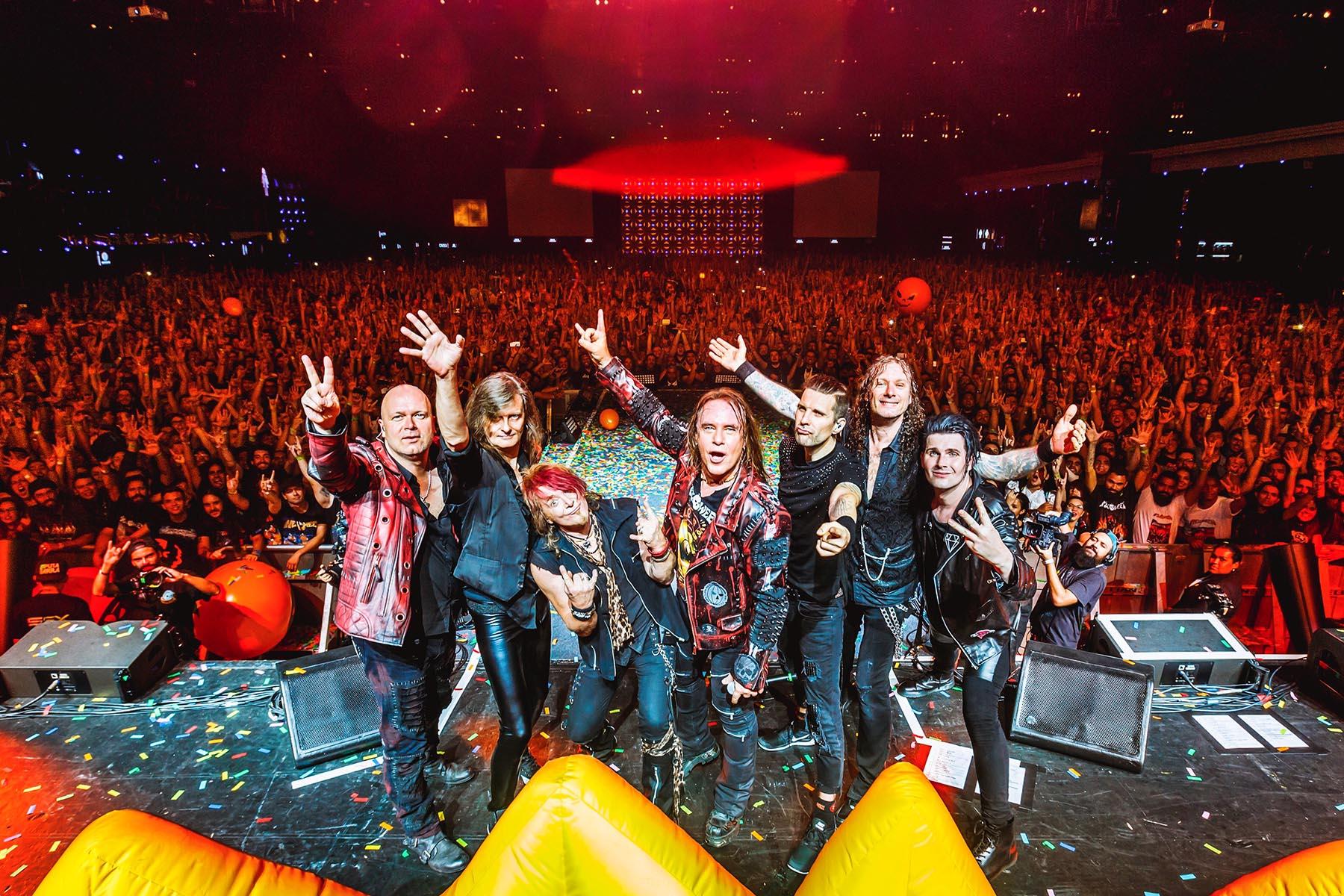
Helloween's reunited lineup celebrating on stage in front of a huge concert crowd
The reunion

Pumpkins United: Bringing the Eras Together

When Pumpkins United brought Michael Kiske and Kai Hansen back into the Helloween story alongside the later lineup, it connected generations of fans with different memories of the band.

The appeal went beyond hearing familiar songs again. The reunion celebrated the fact that Helloween's story had never belonged to only one singer, one guitar player or one period. The early speed-metal roots, the Keeper mythology and the Deris-era catalogue could all be part of the same celebration.

It was a reminder of how a band can honour its past without being trapped inside it. Helloween's story continues to grow, with new music and performances giving long-time fans and newer listeners more reasons to join the journey.

Three defining chapters

The Eras That Define Helloween

Helloween's catalogue makes the most sense when you hear it as an evolving story rather than a single golden period followed by an extended afterthought. Each era has its own character, and each offers a different reason to return to the records.

1987–1988

The Keeper Years: A New Kind of Metal Epic

Keeper of the Seven Keys Part I and Part II are the records most closely associated with Helloween's breakthrough into the power metal imagination. They combined the urgency of speed metal with melodic guitar harmonies, high-register vocals and songs that could unfold on an almost cinematic scale. Tracks such as "Eagle Fly Free" and "Halloween" show two sides of that ambition: one exhilarating and direct, the other expansive and theatrical.

What makes the albums endure is the balance between precision and exuberance. The musicianship is demanding, but the music never feels like a technical exercise for its own sake. The melodies are memorable, the arrangements keep moving, and the songs invite repeated listening. For collectors, these albums are natural centrepieces of a Helloween collection, whether the interest lies in original-era editions, later reissues or simply owning the records that helped define the band's legacy.

Explore Keeper of the Seven Keys Part I

From 1994

The Andi Deris Era: A Different Voice, a Continuing Story

Andi Deris's arrival brought a different vocal character and opened a new chapter after a turbulent period for the band. Master of the Rings established the new lineup, while The Time of the Oath showed Helloween continuing to write melodic, ambitious heavy metal with a renewed sense of purpose. The writing retained the band's signature melodic instinct while allowing the new singer's character to shape the music.

By the time of Better Than Raw, released in 1998, Helloween were exploring a heavier and at times darker sound without abandoning their melodic core. This period is worth exploring in its own right. Deris became a defining part of the band's identity, and rediscovering this catalogue can be just as rewarding as revisiting the classic records. My own return to Better Than Raw years later is proof that the band's later albums can find their way back into your life.

Explore Master of the Rings

Explore The Time of the Oath

From 2017

Pumpkins United: Past and Present on One Stage

The Pumpkins United tour brought Michael Kiske and Kai Hansen back into the Helloween fold alongside the established lineup led by Andi Deris. The significance was immediately clear: musicians associated with different chapters of the band's history were sharing the stage, allowing the classic material and the later catalogue to sit alongside one another.

Rather than treating the past as something to recreate exactly, the reunion made the band's longevity part of the experience. Fans who had discovered Helloween in the eighties could hear songs that had stayed with them for decades, while newer fans could see the connections between the early years and the music that followed. The expanded lineup made the band's history feel alive rather than frozen in time.

Explore Giants & Monsters

Where to start

Five Tracks That Tell the Story

If someone asked me where to begin with Helloween, I'd want to show them more than one side of the band. These five tracks offer a route through the scale of the classic era, the band's melodic instincts and its continuing appetite for ambitious songwriting.

  1. HalloweenThe theatrical side of the Keeper era
  2. Eagle Fly FreeMelody at full flight
  3. I Want OutAn anthem built to be shared
  4. Where the Rain GrowsA window into the Deris years
  5. SkyfallThe modern band thinking on a grand scale

Halloween — The theatrical side of the Keeper era

"Halloween" captures Helloween's ability to turn a metal song into an extended musical adventure. Its changing sections, dramatic atmosphere and memorable melodic passages make it feel closer to a story unfolding than a straightforward verse-and-chorus track. It's an ideal introduction to the ambition behind the Keeper of the Seven Keys albums and to the band's willingness to let a song take the time it needs.

Eagle Fly Free — Melody at full flight

If "Halloween" shows the epic side of Helloween, "Eagle Fly Free" reveals how immediate that sound could be. The pace is exhilarating, the guitar work is full of movement, and the vocal melody gives the whole performance a soaring quality. It demonstrates why technical playing and accessibility don't have to be opposites: there's plenty to admire in the musicianship, but the song's energy hits before you have time to analyse it.

I Want Out — An anthem built to be shared

"I Want Out" distils Helloween's melodic strengths into a direct, instantly memorable anthem. Its chorus has the kind of open, rebellious spirit that works just as well when heard alone as it does when a whole crowd sings it back. It also demonstrates an important part of the band's appeal: the music can be fast and technically accomplished without becoming cold or inaccessible. This is Helloween making heavy metal feel communal.

Where the Rain Grows — A window into the Deris years

From Master of the Rings, "Where the Rain Grows" is a useful way to hear the band moving into its next chapter. Andi Deris brings a different vocal personality to the material, while the song keeps the strong melodic writing and guitar interplay that remain central to Helloween's sound. For anyone who knows the band mainly through the Keeper records, this track offers a compelling reason to explore the later catalogue rather than treating it as an optional detour.

Skyfall — The modern band thinking on a grand scale

"Skyfall" shows that Helloween's appetite for expansive songwriting survived into the modern era. The track develops across multiple sections, drawing on the band's history of melodic hooks, elaborate arrangements and high-energy performances. Its scale makes it a rewarding listen for long-time fans, but it also works as an entry point for newer listeners who want to hear how the reunited lineup can bring different strands of the band's identity together.

A listening challenge for fellow collectors

Put one of the classic-era tracks next to one from the Deris years, then finish with "Skyfall". Listen for what changes in the vocal character, arrangements and atmosphere — and for the melodic instincts that keep connecting the records.

For the crate diggers

Helloween on Vinyl: A Collector’s Feast

Helloween's history is a rewarding one to explore in physical format. The records capture different periods of the band, while their artwork, pressings and reissues give collectors plenty to investigate.

Early Noise Records editions are especially interesting to collectors exploring the band's original rise. The Keeper releases are landmarks in the catalogue, while later albums reflect the changing artwork and visual identity of the Deris years. Reissues, coloured vinyl and special editions add further variations to the hunt.

For collectors, the details matter: which edition it is, how the artwork is presented, the pressing information, and whether a particular release fills a gap in the collection. A familiar album can become a very different object when you encounter another edition of it.

Original-Era Pressings: The History in Your Hands

For collectors, an early pressing can offer a tangible connection to the period when Helloween were establishing their reputation. Original-era releases are interesting not just because they are older, but because their labels, packaging, catalogue details and manufacturing information can help identify where and when a particular edition was produced.

Condition matters, too. A record's surface, sleeve, inserts and overall completeness all affect its appeal. When comparing editions, look for clear photographs and accurate descriptions, and distinguish an original pressing from a later reissue rather than relying on the album title alone. For some collectors, the original edition is the goal; for others, a clean and well-presented reissue is a more practical way to enjoy the music.

The Keeper Classics: Cornerstones of a Collection

Keeper of the Seven Keys Part I and Part II are natural centrepieces for anyone collecting Helloween. They represent the period most closely associated with the band's emergence as a defining name in European power metal, and they remain essential listening for understanding its melodic and theatrical approach.

These albums have appeared in different editions over time, so it's worth checking the release year, label, catalogue number, format and packaging before deciding which version suits your collection. A reissue can be a great way to own the music, while a particular older edition may appeal to someone interested in the history of the physical release itself. The important thing is knowing exactly which version you're adding to the shelf.

The Andi Deris Catalogue: More Than a Side Chapter

A Helloween collection that stops at the Keeper albums misses a substantial part of the band's story. Master of the Rings, The Time of the Oath and Better Than Raw document a band finding its footing with a new singer and developing its sound across successive releases. They also offer a different balance of melody, weight and atmosphere from the classic-era records.

For collectors, this period is a chance to build a more complete picture of Helloween rather than chase only the most famous titles. Compare the available editions, artwork and formats, and choose the records that matter most to you. For me, Better Than Raw has particular meaning because rediscovering it years later brought the band back into regular rotation. Sometimes the album that reconnects you with a band becomes just as important as the one that introduced you to it.

Modern Reissues and Variants: Collect What You Love

Modern reissues make it possible to revisit important albums without needing to find a particular older pressing. Depending on the release, collectors may encounter coloured vinyl, updated packaging, expanded formats or artwork presented in a different way. These variations can make collecting more interesting, but the details differ from edition to edition.

Coloured vinyl can be visually striking on the shelf, while a standard black pressing may suit someone who values a particular edition or simply wants the record in their collection. Neither choice is automatically the better one. Check the release specifications, the number of discs, the packaging and the condition or availability stated in the listing. Collecting should be about finding the versions that mean something to you, not feeling obliged to own every variation.

Beyond Germany

Helloween in the Global Metal Movement

Metal has always had room for different forms of intensity. While thrash pushed speed and aggression in one direction and death metal explored another extreme, Helloween helped show how technical playing, heavy riffs and powerful melodies could create a different kind of impact.

Their influence belongs to a wider European metal story built by bands, musicians and fans who carried those ideas forward in their own ways. You can hear related traditions across melodic and power metal, from intricate guitar harmonies to huge choruses and songs that feel like journeys.

That legacy isn't just found on festival stages. It lives in bedroom guitarists learning the solos, collectors hunting down old editions, and new listeners discovering that heavy music can be both powerful and joyful.

Crimson Vinyl · German Powerhouses

Why Helloween Belongs in Our German Powerhouses Series

Helloween belongs here because its story is bigger than a handful of classic records. The band helped shape a genre, survived major changes, developed a substantial second chapter and brought different generations of its history together.

For collectors, the catalogue offers a journey through eras, editions and artwork. For listeners, it offers a reminder that metal doesn't have to sacrifice melody or a sense of fun to sound immense.

At Crimson Vinyl, we're collectors as well as music fans. We love records that carry a story — the album you bought on release, the one you found years later, or the unexpected discovery that sends you back through an entire discography.

Your turn

What's Your Helloween Story?

Explore our Crimson Vinyl store and discover more from the world of German metal. Then tell us: which Helloween record made you a fan, and which track would you put on first to introduce someone to the band?

Metal shines brightest when it refuses to lose its joy.

Built by collectors for collectors. Keep digging.