


Crimson Vinyl Records · Collector's Guide
Japanese Vinyl Pressings: Why Collectors Love Them
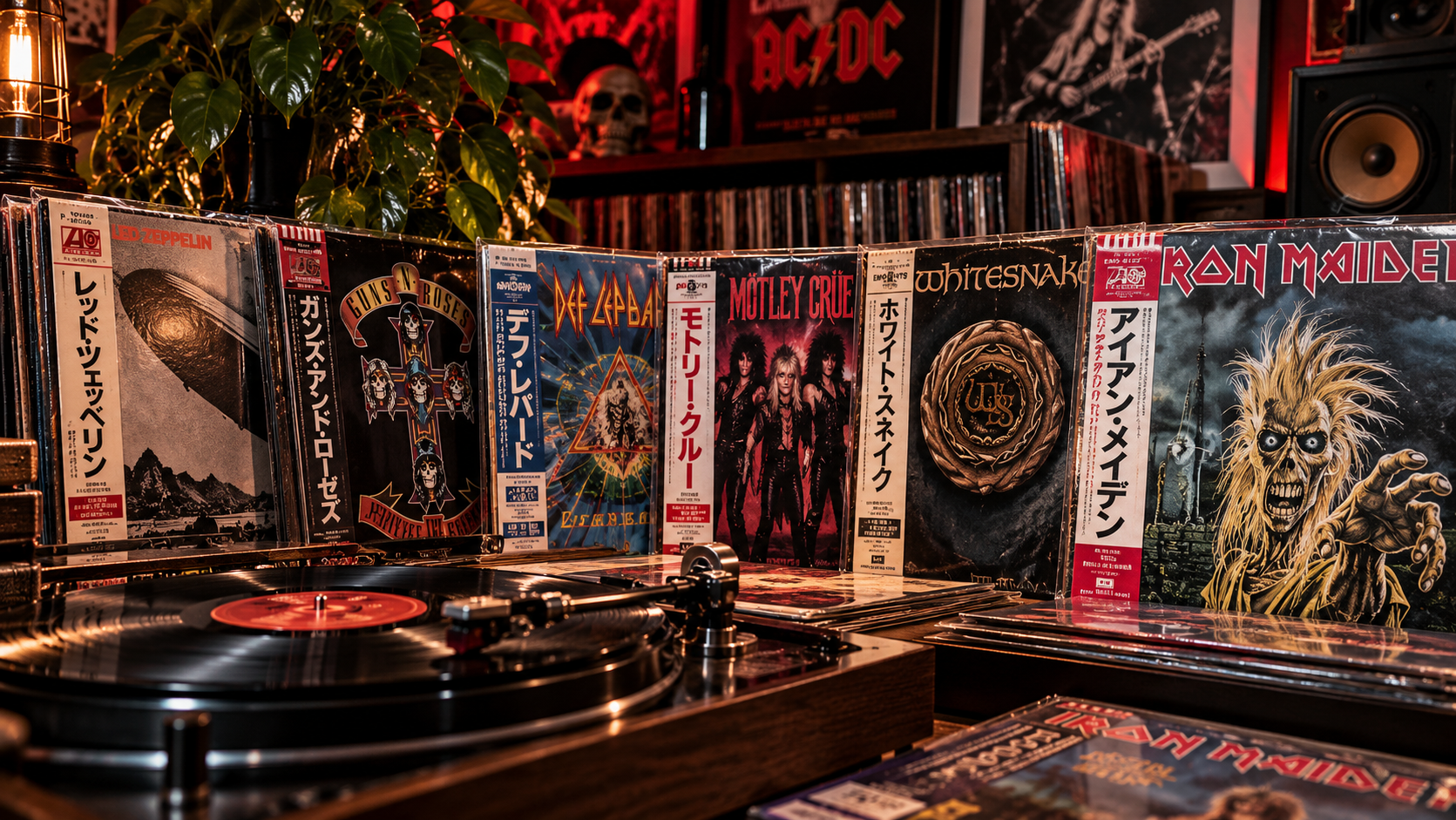
There's something special about finding a vintage Japanese vinyl pressing in beautiful condition. From carefully presented album artwork to quiet playback and well-preserved records, Japanese imports have earned a devoted following among music collectors. But what makes them so desirable — and what should you look for when buying one?
A collector's experience
The Aerosmith Record That Surprised Us
Sometimes the best way to understand a collectible is to put the theory aside and simply play the record.
When I ordered a batch of Japanese pressings, I picked up a couple for my own collection, including Aerosmith's Done with Mirrors. This was an original pressing from the early 1980s. I opened it expecting a little crackle — after all, a record of that age has had plenty of time to gather a few stories.
I dropped the needle, sat back and waited for the familiar background noise. It never really came. The sound was remarkably clean, and the record itself looked almost as though it had been manufactured that day.
That was the moment it clicked for me. This wasn't simply about an old record coming from Japan. It was about finding a vintage record that had been looked after exceptionally well, and discovering just how rewarding that could be.
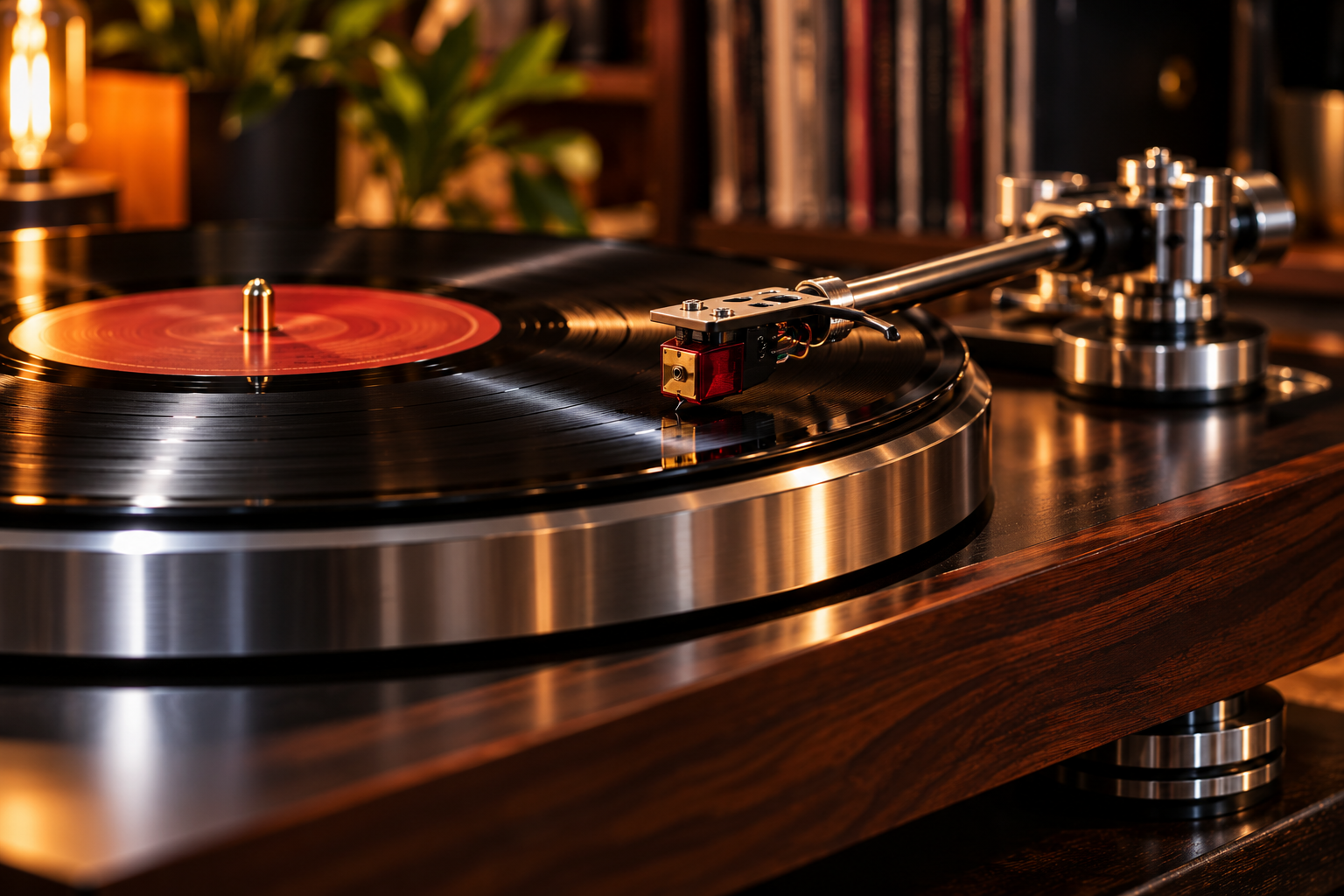
The collector's lesson? Age alone doesn't tell you how a record will sound. Condition, storage, handling, pressing quality and playback equipment all have a part to play.
Under the surface
What Makes a Japanese Vinyl Pressing Special?
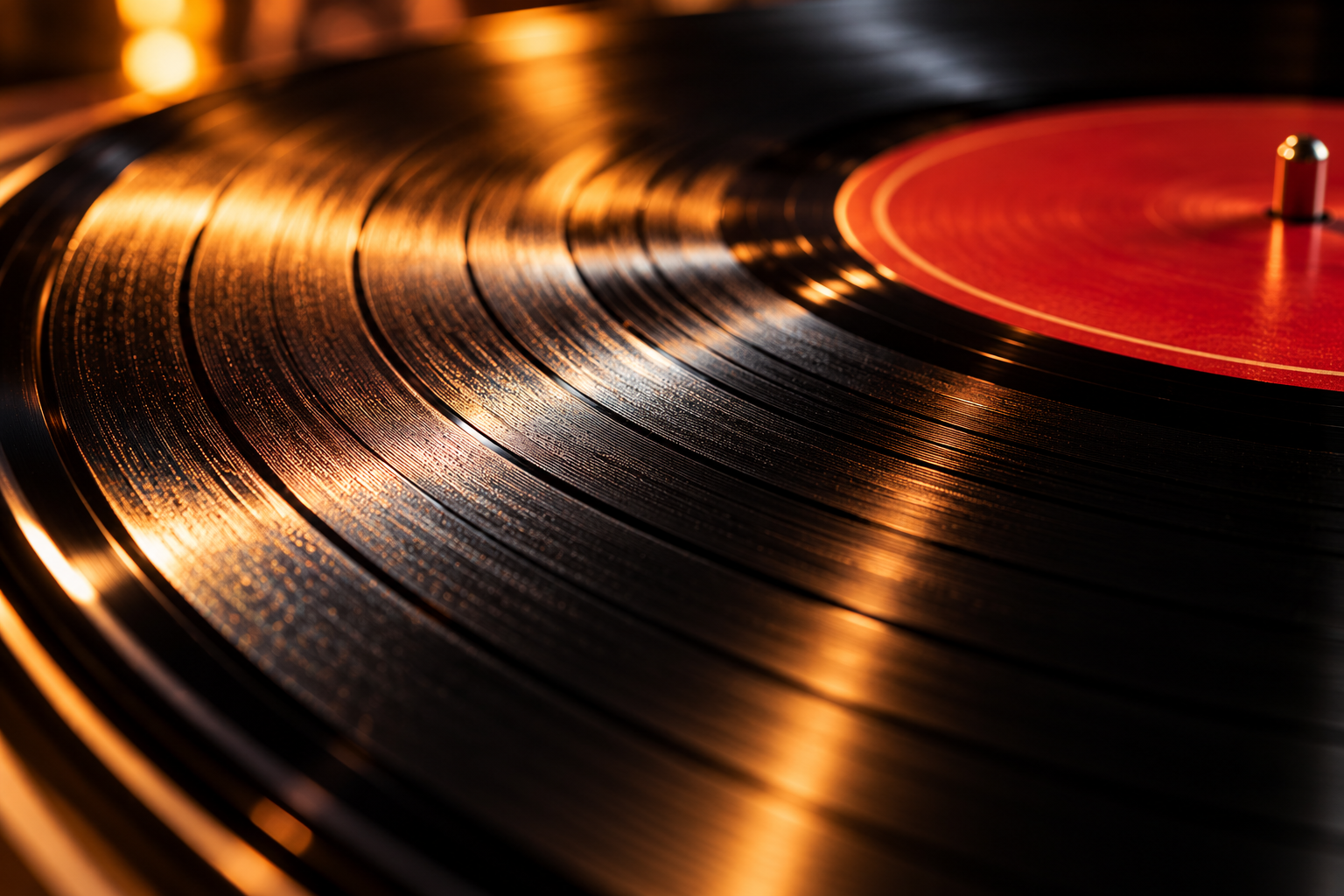
A vinyl record is a physical product made through a surprisingly precise process. A stamper presses a heated vinyl puck into the shape of a record, reproducing the microscopic grooves that carry the music. Temperature, pressure, materials and quality control all influence the finished disc.
Japanese releases have earned a strong reputation among collectors for careful presentation and, in many editions, excellent manufacturing quality. But there isn't one universal Japanese pressing recipe. The factory, year, mastering, source material and individual release all matter.
Manufacturing
Consistent production and careful handling can contribute to a well-finished record. Quality still varies by release.
Mastering
The source and mastering choices can affect tonal balance, detail and dynamics just as much as the pressing itself.
Condition
Scratches, groove wear, dust and poor storage can affect playback, regardless of where a record was made.
Listen closely
That Beautiful Silence Between Tracks
There's something wonderfully satisfying about reaching a quiet passage in a favourite album and hearing the music rather than a constant layer of crackles and clicks.
Surface noise can come from dust, static, scratches, groove wear, manufacturing imperfections or the playback setup. A clean, well-preserved record can offer a quieter listening experience, letting delicate details and softer passages come through more clearly.
That doesn't mean every Japanese pressing is silent, or that every record from elsewhere is noisy. It means that when you find a genuinely well-preserved copy, the difference can be a real pleasure.
More than packaging
The Sleeve: More Than Something to Hold the Record
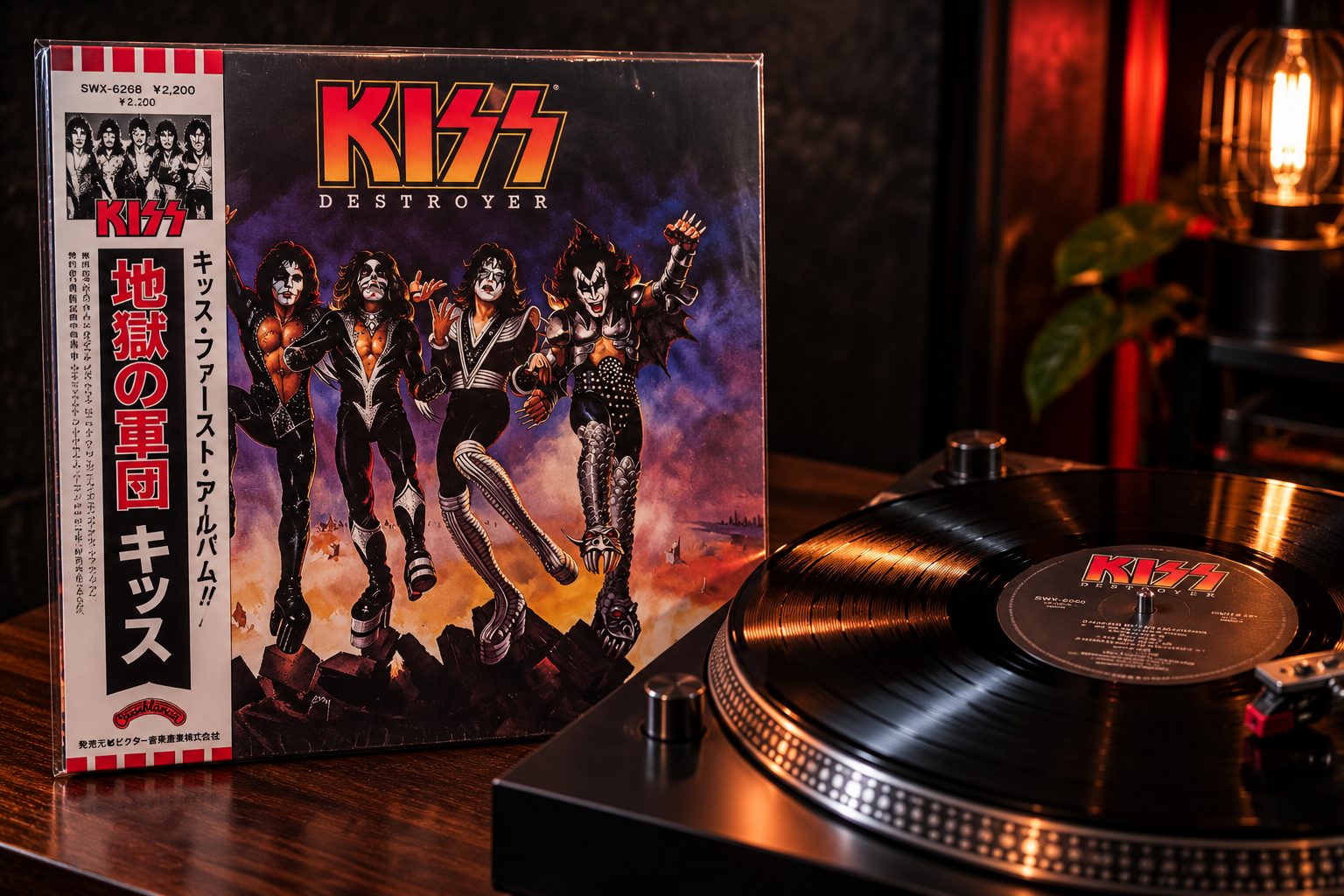
For collectors, the album jacket is part of the object. The artwork, printed details, colours, paper stock and construction all contribute to the experience of owning a physical release.
A well-made sleeve feels substantial in the hand. Its edges hold their shape, the printing remains crisp, and the cover can still look striking decades after release. Different editions use different materials and finishes, so not every Japanese sleeve will be identical.
Condition matters here, too. Ring wear, seam splits, creases, fading and water damage can make a significant difference to a collectible's desirability. A beautiful jacket and a clean disc together make a particularly satisfying find.
Decades in good hands
Why Japanese Second-Hand Records Can Be Such Great Finds
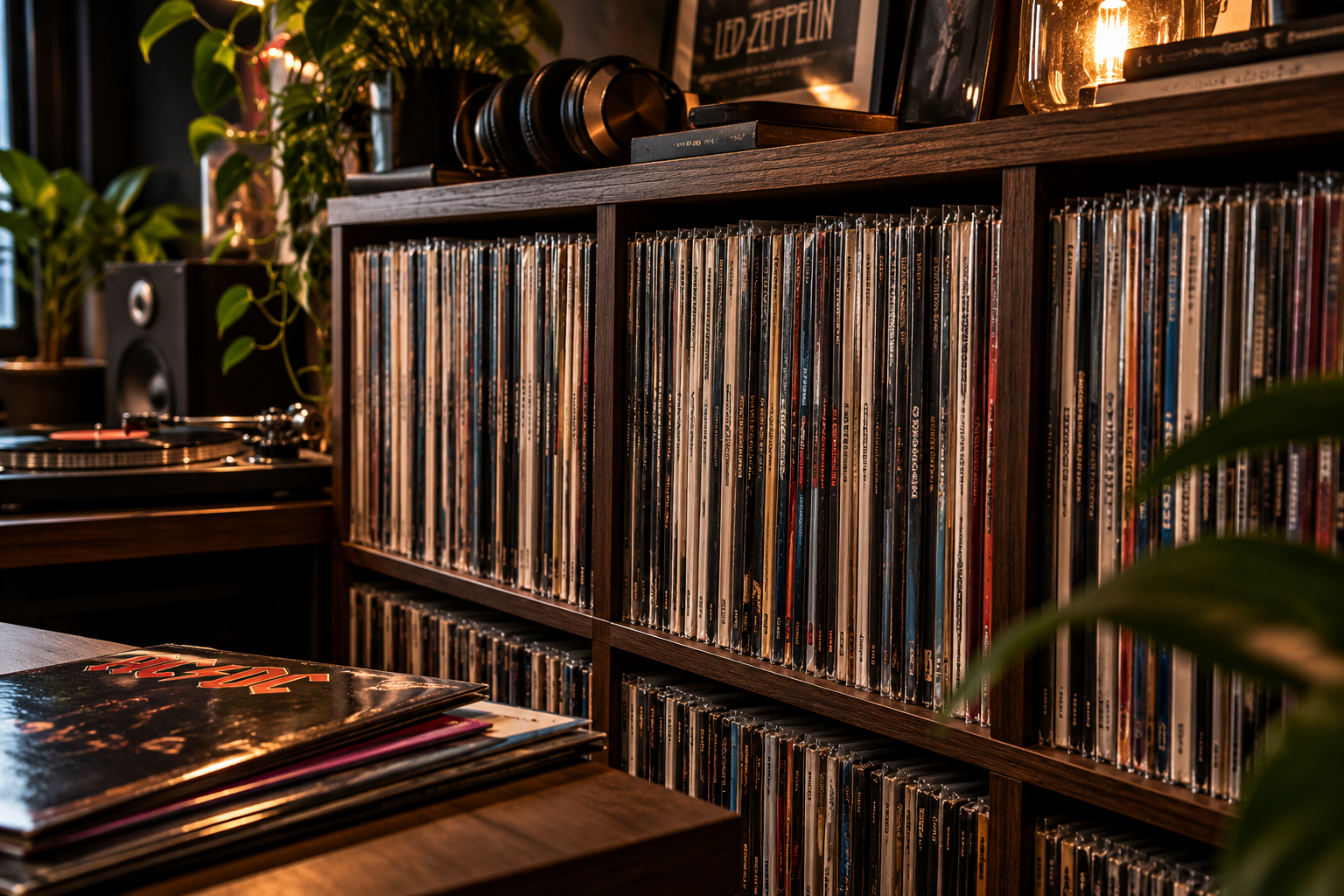
One of the pleasures of buying vintage Japanese records is discovering copies that have survived remarkably well. Collectors often encounter clean discs, tidy jackets and carefully retained inserts on releases that are several decades old.
Japan has a strong culture of attention to detail and respect for possessions. Careful ownership and storage can help explain why some used records remain in such lovely condition. But it isn't a guarantee: every collection has its own history, and condition must be judged individually.
Records stored upright, kept away from heat and sunlight, protected from dust and handled by the edges are more likely to remain in good shape. Those small habits can make an enormous difference over many years.
Our collector's tip: Look beyond the country of origin. Check the actual record, inspect the sleeve and ask about grading. A Japanese pressing in excellent condition can be a wonderful find — and an honest description is part of what makes buying collectibles worthwhile.
The bigger picture
Sound, Artwork, Rarity and the Joy of Collecting
Japanese imports appeal for more than one reason. Some collectors are looking for a particular pressing or mastering. Others love the artwork, printed inserts, edition details or the chance to own a version they rarely see locally.
Certain releases become especially sought after because of their scarcity, historical significance, condition or place in an artist's catalogue. A Japanese pressing isn't automatically more valuable simply because it is Japanese; desirability depends on the specific edition and what collectors want.
That's part of the fun. Discovering a release, comparing editions and finding a copy that has been preserved beautifully can make the hunt every bit as rewarding as dropping the needle for the first time.
Explore our collection
Find Your Next Japanese Import
From classic rock to heavy metal, Japanese imports offer collectors a fascinating way to explore familiar albums and discover something different. Browse the records currently available at Crimson Vinyl and see what catches your eye.
Browse Japanese ImportsBuilt by collectors, for collectors.